
Maximize Gains: The Complete Protein Diet Blueprint
Master the science of protein nutrition for superior gym performance. Learn timing strategies, optimal intake amounts, and food combinations that fuel muscle growth and recovery.
The information on this site is for educational purposes only and does not constitute medical advice. Always consult a qualified healthcare professional before making health decisions.
Protein Impact by Numbers
Optimal protein per meal for muscle synthesis activation
Grams per kilogram of body weight daily for athletes
Post-workout anabolic window for peak nutrient absorption
Essential amino acids your body cannot synthesize alone
Why Protein Timing Matters for Muscle Growth
Protein timing is not just a buzzword—it's a fundamental principle of sports nutrition that directly impacts your body's ability to repair and build muscle tissue. When you train intensely, you create micro-tears in muscle fibers. Your body requires amino acids to patch these micro-tears and build them back stronger, which is how muscle growth occurs.
Consuming protein within the post-workout window activates muscle protein synthesis, the biological process that converts dietary amino acids into new muscle tissue. Research demonstrates that consuming 25-40 grams of high-quality protein within 1-4 hours after training significantly enhances muscle adaptation and recovery speed.
Beyond timing, the amino acid profile matters tremendously. Leucine, in particular, acts as a trigger for muscle protein synthesis. Complete proteins containing all nine essential amino acids are superior to incomplete sources because your body cannot synthesize missing amino acids on demand.
Enhanced Recovery
Amino acids reduce soreness and accelerate repair between sessions
Metabolic Optimization
Protein maintains metabolic rate and supports fat-free mass retention
Performance Gains
Adequate protein supports strength improvements and training capacity
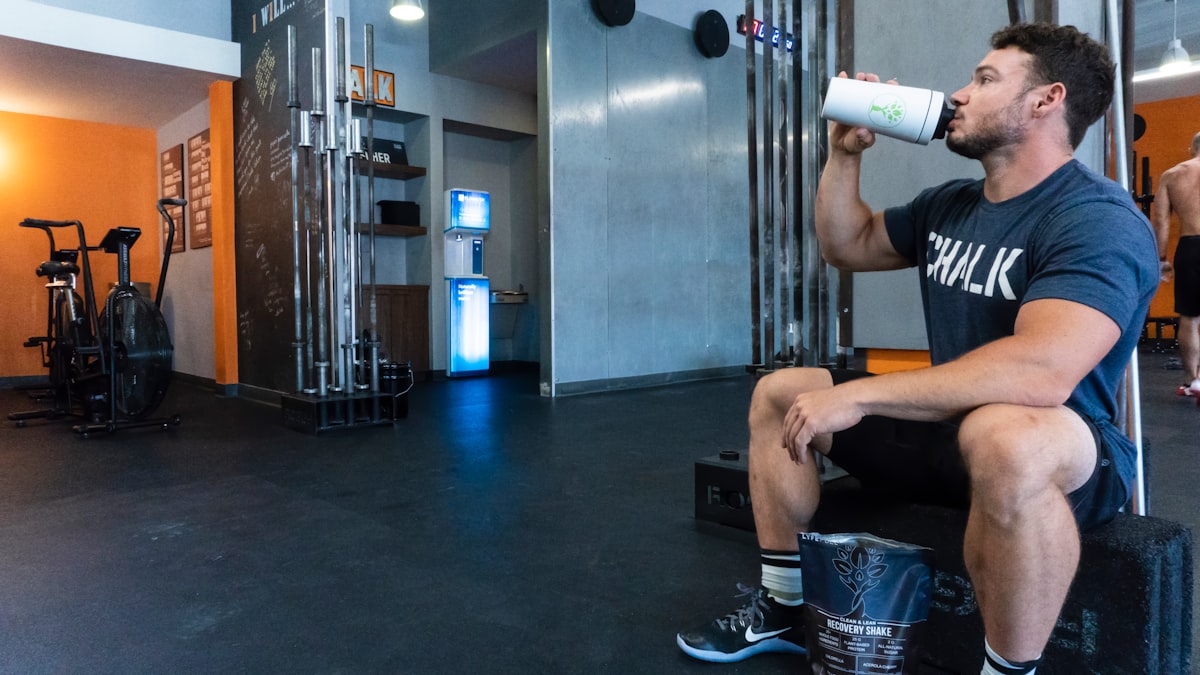
Essential Protein Sources for Athletes
Explore complete and incomplete protein options, their amino acid profiles, and how to combine them strategically for maximum gym performance.
Eggs
One whole egg contains 6 grams of complete protein with all nine essential amino acids. The yolk delivers choline for brain function and lutein for eye health. Cost-effective and versatile for any meal.
Leucine content: 0.5g per large egg
Best used: Breakfast, snacks, post-workout meals
Fatty Fish
Salmon, mackerel, and sardines provide 25+ grams of protein per serving plus omega-3 fatty acids that reduce inflammation and support joint health. Ideal for strength athletes managing training stress.
Leucine content: 2.2g per 100g serving
Best used: Lunch, dinner, 2-3 times weekly
Lean Poultry
Chicken and turkey breasts deliver 31-35 grams of protein per 100g with minimal fat. Extremely versatile, cost-effective, and simple to prepare in bulk. A staple for serious gym enthusiasts.
Leucine content: 2.5g per 100g serving
Best used: Daily meals, multiple servings per day
Greek Yogurt
Containing 15-20 grams of protein per serving plus probiotics for digestive health, Greek yogurt serves as both a snack and meal component. The carbohydrate content supports post-workout recovery and glycogen replenishment.
Leucine content: 1.2g per 150g serving
Best used: Post-workout, breakfast, snacks
Legumes & Grains
Lentils, chickpeas, and beans provide 8-18 grams of protein per cooked cup alongside fiber for satiety and digestive health. While incomplete proteins individually, combining them with grains creates complete amino acid profiles.
Leucine content: 0.6-1.0g per 100g serving
Best used: Vegetarian meals, sides, budget-friendly options
Lean Beef
Sirloin and lean ground beef deliver 25-28 grams of protein per 100g serving plus iron, zinc, and creatine naturally present in muscle tissue. The creatine content supports strength and power output during training.
Leucine content: 2.2g per 100g serving
Best used: Main meals, 2-3 times weekly for optimal iron intake
Your 5-Step Daily Protein Strategy
Calculate Your Daily Requirement
Multiply your body weight in kilograms by 1.6-2.2 depending on training intensity. A 80kg athlete training hard should target 128-176 grams daily, distributed across 4-5 meals. Use this baseline as your starting point, then adjust based on body composition changes over 3-4 weeks.
Distribute Protein Evenly
Aim for 25-40 grams per meal to optimally stimulate muscle protein synthesis at each feeding window. Spreading intake across meals (breakfast, mid-morning snack, lunch, pre-workout, post-workout, dinner) maximizes the anabolic effect compared to consuming larger amounts in fewer meals.
Prioritize Post-Workout Timing
Consume 30-40 grams of complete protein within 1-4 hours after training. This window is critical because training increases muscle blood flow and insulin sensitivity, allowing faster nutrient delivery and utilization. Combine with 40-80 grams of carbohydrates to spike insulin and accelerate amino acid uptake into muscle cells.
Choose Complete Protein Sources
Prioritize whole foods containing all nine essential amino acids: eggs, meat, poultry, fish, dairy, and combinations like rice + beans. These sources deliver not just amino acids but also vitamins, minerals, and micronutrients that support overall health and recovery processes beyond muscle building.
Track and Adjust Weekly
Monitor actual protein intake for one week to establish baseline accuracy. Compare intake versus body weight and strength gains. If strength plateaus despite adequate training, increase protein by 10-20 grams daily. If body fat increases without muscle gain, reduce calories while maintaining protein to preserve muscle during a diet phase.
Common Protein Questions Answered
The amount depends on your training intensity and body composition goals. For strength training and muscle building, research supports 1.6-2.2 grams per kilogram of body weight daily. An 80kg person would target 128-176 grams. For general fitness (non-athletes), 0.8-1.2g/kg suffices. For endurance athletes, 1.2-1.6g/kg is optimal. The higher end is justified when training intensity is high, calorie intake is reduced, or you're older (over 40), as protein becomes increasingly important for muscle retention. Starting with 1.6g/kg and adjusting based on results over 4 weeks is a practical approach.
The post-workout window is real but not as narrow as once believed. Research confirms that consuming protein and carbohydrates within 0-2 hours post-training is highly beneficial for recovery and muscle synthesis. However, the effect isn't magical—consuming protein within 4 hours still provides significant benefits. The window extends further if you've eaten carbohydrates pre-workout (which stabilize blood sugar). The most important factors are total daily protein intake and consistency across meals. Missing the immediate post-workout window by a few hours isn't catastrophic if your overall daily intake is adequate, but prioritizing nutrition within 1-2 hours post-training optimizes your training investment.
Extensive research on athletes consuming 2.5+ grams per kilogram daily shows no evidence of kidney damage in people with normal kidney function. High protein intake does increase kidney workload (filtering excess nitrogen), but this is not equivalent to damage. Healthy kidneys adapt and function normally. However, individuals with existing kidney disease, diabetes, or hypertension should consult their healthcare provider before significantly increasing protein. For healthy individuals, consuming 2-2.2g/kg is safe and evidence-based. Stay adequately hydrated (2-3 liters daily minimum, more if training intensely) to support any increase in protein intake.
Complete proteins (containing all 9 essential amino acids) are superior for immediate muscle protein synthesis. Your body cannot manufacture missing amino acids, so incomplete protein sources alone are less efficient for muscle building. However, if you combine incomplete sources throughout the day—such as rice + beans, pita + hummus, or grains + legumes—you create complete amino acid profiles by day's end. For optimal results, prioritize complete proteins (meat, dairy, eggs) for your main meals and post-workout nutrition. Incomplete sources work well as supplementary protein sources, especially for vegetarians and vegans who can strategically combine them.
A practical macronutrient split for strength training is roughly: 30-40% protein (1.6-2.2g/kg), 40-50% carbohydrates (4-7g/kg depending on training volume), and 20-30% fat (0.5-1.5g/kg). For example, an 80kg athlete eating 2,500 calories might consume 200g protein (800 cal), 300g carbs (1,200 cal), and 60-80g fat (550-720 cal). Protein supports muscle building, carbohydrates fuel training intensity and replenish muscle glycogen, and fats support hormone production (including testosterone) and nutrient absorption. Rather than obsessing over exact percentages, hit your protein target first, then distribute remaining calories between carbs and fats based on your training schedule and energy needs.
Whey protein is fast-digesting (30-60 minutes), making it ideal post-workout when rapid amino acid delivery is beneficial. Casein is slow-digesting (4-7 hours), providing sustained amino acid release during sleep or between meals. Plant-based proteins (pea, hemp, rice) are often incomplete or lower in leucine, but blending multiple plant sources creates complete amino acid profiles. For most gym enthusiasts, whole foods should comprise 80-90% of protein intake, with supplements filling convenience gaps. If using supplements, whey post-workout and casein before bed are effective. Plant-based supplements suit vegans and those with dairy sensitivities, though they may require slightly larger portions to match amino acid delivery of whey.
Real Results from Gym Enthusiasts
Discover how athletes transformed their training outcomes by implementing evidence-based protein strategies.
"Implementing the 30g per meal strategy completely changed my recovery. I went from struggling with plateau after 6 months to seeing consistent strength gains month after month. The science-based approach took the guesswork out of nutrition."
Marcus K.
Frankfurt
"As a vegetarian athlete, I was skeptical about hitting my protein targets. The explanation of combining incomplete proteins gave me realistic options. I increased my gains without compromising my values."
Sarah M.
Berlin
"The 5-step strategy cleared up so much confusion about meal timing and portion sizes. My coach was impressed with how systematically I applied the concepts. Results speak for themselves—stronger, leaner, better recovery."
Thomas R.
Munich
Ready to Transform Your Fitness?
Join thousands of members who've mastered the science of gym gains and nutrition. Start your journey today.
Frequently Asked Questions
How quickly will I see results?
Most members notice improvements in strength and energy within 2-3 weeks. Visible body composition changes typically appear within 4-6 weeks of consistent training and proper nutrition following our 5-step strategy.
Is nutrition coaching included?
Yes! All Gymgainsmind members receive our complete nutrition framework with personalized macro recommendations, meal timing guides, and supplement protocols tailored to your goals.
What if I'm a complete beginner?
Perfect! Our progressive training system is designed for all levels. We start with foundational strength principles and gradually increase complexity. Beginners often achieve the fastest initial progress.
Is there a money-back guarantee?
Yes! We offer a 30-day satisfaction guarantee. If you don't see progress or feel the program isn't right for you, we'll refund 100% of your membership fee, no questions asked.
What kind of support is available?
Members get 24/7 email support, a private community forum, weekly group Q&A calls with coaches, and access to our knowledge base with 500+ training and nutrition articles.
Can I cancel anytime?
Absolutely. There are no long-term contracts. You can pause or cancel your membership at any time. Most members stay because they love the results and community, not because they're locked in.
Join Gymgainsmind Today
Stop guessing. Start gaining. Get access to the science-backed system trusted by thousands of serious lifters.
30-day money-back guarantee • No credit card required for free trial • Cancel anytime